Animal husbandry and human-animal relationships

Behavioral challenges and welfare implications in lambs raised under intensive dairy sheep production systems

By June 18, 2026No Comments

Document type: scientific Document type: published in Frontiers in Animal Science 

Authors: M, Harmon DL, and Freitas-de-Melo A

Abstract in French (translation): Behavioral problems and implications for the welfare of lambs raised in intensive dairy sheep production systems
Intensive dairy sheep production systems
, which represent a significant and growing share of the global livestock sector, pose considerable challenges regarding lamb behavior and welfare. This study aims to summarize and critically evaluate current knowledge on the behavioral challenges and welfare implications associated with rearing lambs in intensive systems. It also examines the natural social and feeding behaviors of lambs to establish a framework for understanding their behavioral needs, while considering them in light of the constraints inherent in intensive animal production. Among the main management challenges is early separation from the mother, which disrupts nutritional and social learning and may influence how lambs respond to environmental challenges later in life. These challenges are multifaceted, including adaptation to artificial rearing systems with varying milk replacer compositions; the transition from milk replacers to solid feed; and relocation and social grouping for fattening. The combined effects of weaning, transport, social mixing, and abrupt dietary transitions constitute highly stressful events for lambs. Natural social behaviors—including the bonding between ewe and lamb and access to maternal role models—are essential for the development of effective feeding strategies and interaction with the environment. Disruption of these processes during sensitive neonatal periods can lead to increased stress sensitivity, reduced feed efficiency, and impaired social integration. In group-housing systems, social structure and competition determine access to resources and welfare outcomes, with dominant animals enjoying advantages in their feeding behavior while subordinate individuals adopt adaptive but often energy-inefficient strategies. However, welfare outcomes depend heavily on management, and the costs associated with intensive systems are not inevitable. New data highlight practical interventions that significantly improve outcomes, including: (1) positive human-animal interactions to reduce mortality; (2) physical enrichment to stimulate early weight gain; (3) the use of older “mentor” animals to accelerate adaptation to solid feed through social learning; and (4) optimized grouping strategies to minimize aggression. Furthermore, the provision of manipulable bedding and high-quality milk replacers is essential for physiological stability. While intensive systems present inherent challenges, evidence-based management practices can effectively mitigate negative impacts. Understanding and applying knowledge related to social hierarchy, individual adaptability, and critical developmental windows are essential for promoting productivity.

Abstract in English (original): Intensive dairy sheep production systems, which represent a substantial and growing portion of the global livestock sector, present significant behavioral and welfare challenges for lambs. This review aims to summarize and critically evaluate current knowledge on the behavioral challenges and welfare implications of rearing lambs in intensive systems. It also examines the natural social and feeding behaviors of lambs to establish a framework for understanding their behavioral needs, while contrasting these with constraints inherent to intensive livestock production. Key management challenges include precocious or early mother-young separation, which disrupts nutritional and social learning and can influence how lambs respond to environmental challenges later in life. These challenges are multifaceted, including adaptation to artificial rearing systems with variable milk replacer composition; transition from milk replacers to solid feed; and relocation and social regrouping for fattening. The combined effects of suckling cessation, transport, social mixing, and abrupt dietary transitions constitute highly stressful events for lambs. Natural social behaviors, including the establishment of the ewe-lamb bond and access to maternal models, are critical for the development of efficient feeding strategies and environmental interaction. Disruption of these processes during sensitive neonatal periods can lead to heightened stress sensitivity, reduced feeding efficiency, and impaired social integration. In group-housed systems, social structure and competition determine access to resources and welfare outcomes, with dominant animals holding advantages in feeding behavior while subordinate individuals adopt adaptive but often energetically inefficient strategies. However, welfare outcomes are highly management-dependent, and the costs of intensive systems are not inevitable. Emerging evidence identifies practical interventions that substantially improve outcomes, including: (1) positive human-animal interactions to reduce mortality; (2) physical enrichment to boost early weight gain; (3) the use of older “tutor” animals to accelerate solid feed adaptation via social learning; and (4) optimized grouping strategies to minimize aggression. Furthermore, providing manipulable bedding and high-quality milk replacers is critical for physiological stability. While intensive systems present inherent challenges, evidence-based management practices can effectively mitigate negative impacts. Understanding and applying knowledge of social hierarchy, individual adaptability, and critical developmental windows is essential for promoting productivity.
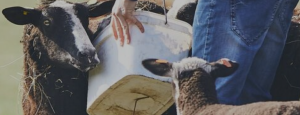
Image from Frontiers in Animal Science

From Frontiers in Animal Science